

Key Takeaways
- Blepharoplasty is a surgical procedure that involves removing or repositioning excess skin, fat, or muscle from the eyelids. It may be performed for functional reasons, such as when excess skin or tissue affects the visual field, as well as for cosmetic concerns.
- The procedure can involve the upper eyelids, lower eyelids, or both.
- People considering blepharoplasty are usually in good health, are non-smokers, and have an understanding of the potential benefits and limitations of surgery.
- Recovery commonly involves swelling and bruising in the first one to two weeks. Many patients resume normal activities after about 10 to 14 days, though recovery times vary.
- As with all surgical procedures, there are risks. These can include infection, bleeding, scarring, temporary blurred vision, dry eyes, changes in eyelid position, asymmetry, or the need for revision surgery.
Blepharoplasty, also known as eyelid surgery, is a surgical procedure performed on the upper and/or lower eyelids. While often associated with cosmetic concerns, blepharoplasty is also undertaken for functional reasons, particularly when excess upper eyelid skin interferes with vision.
Read on as we explain what blepharoplasty involves, the types of procedures available, what to expect during recovery, and who may consider it.
What is Blepharoplasty (Eyelid Surgery)?
Blepharoplasty is a surgical procedure that removes or repositions excess skin, fat, and sometimes muscle from the eyelids. The procedure aims to address excess skin or folding in the eyelid area. For some individuals, especially those with significant upper eyelid skin redundancy, the procedure may improve the field of vision.
Types of Blepharoplasty
The type of blepharoplasty performed depends on which part of the eyelid is being addressed. A consultation will help determine the most appropriate option for your needs.
Upper Blepharoplasty
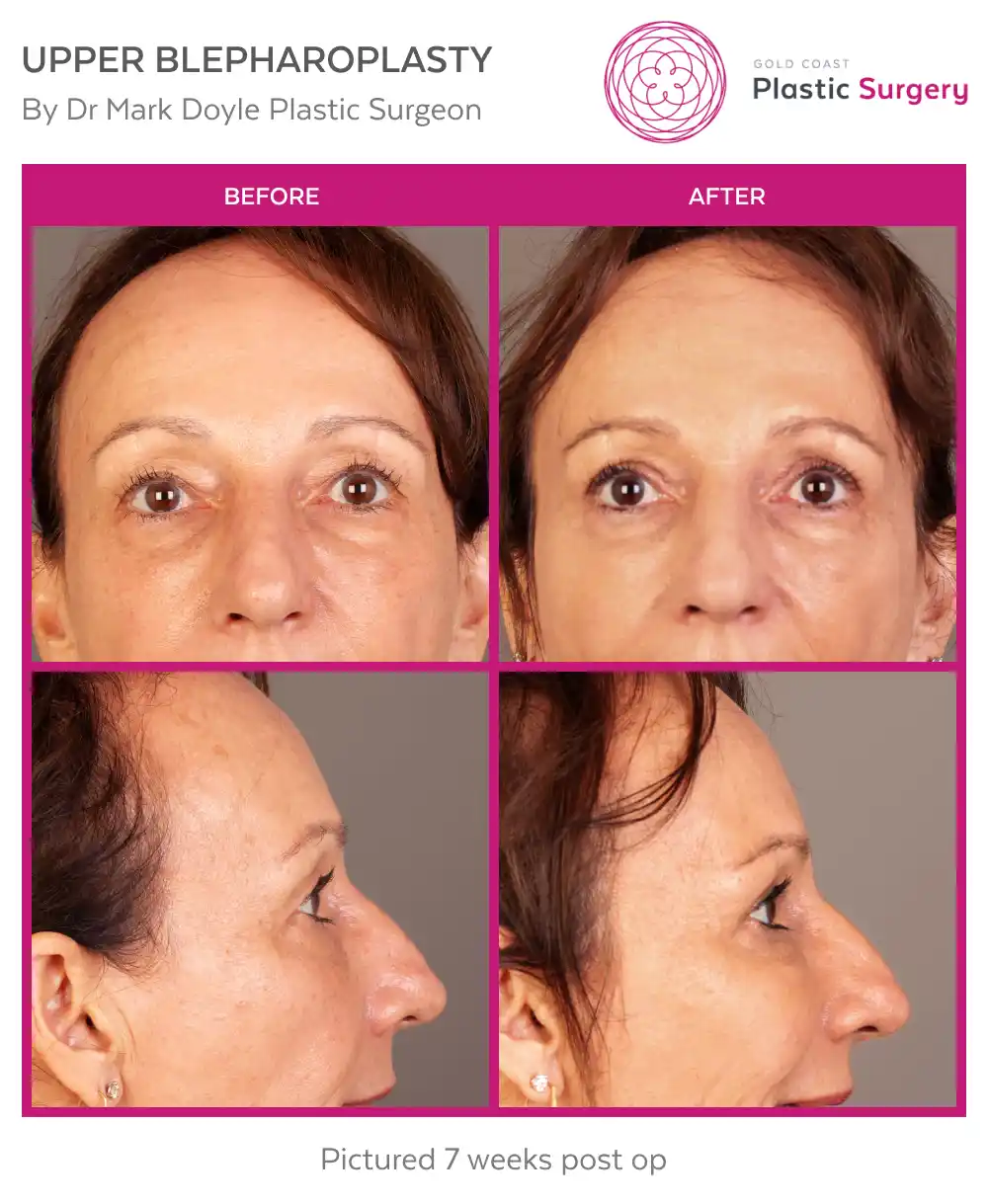
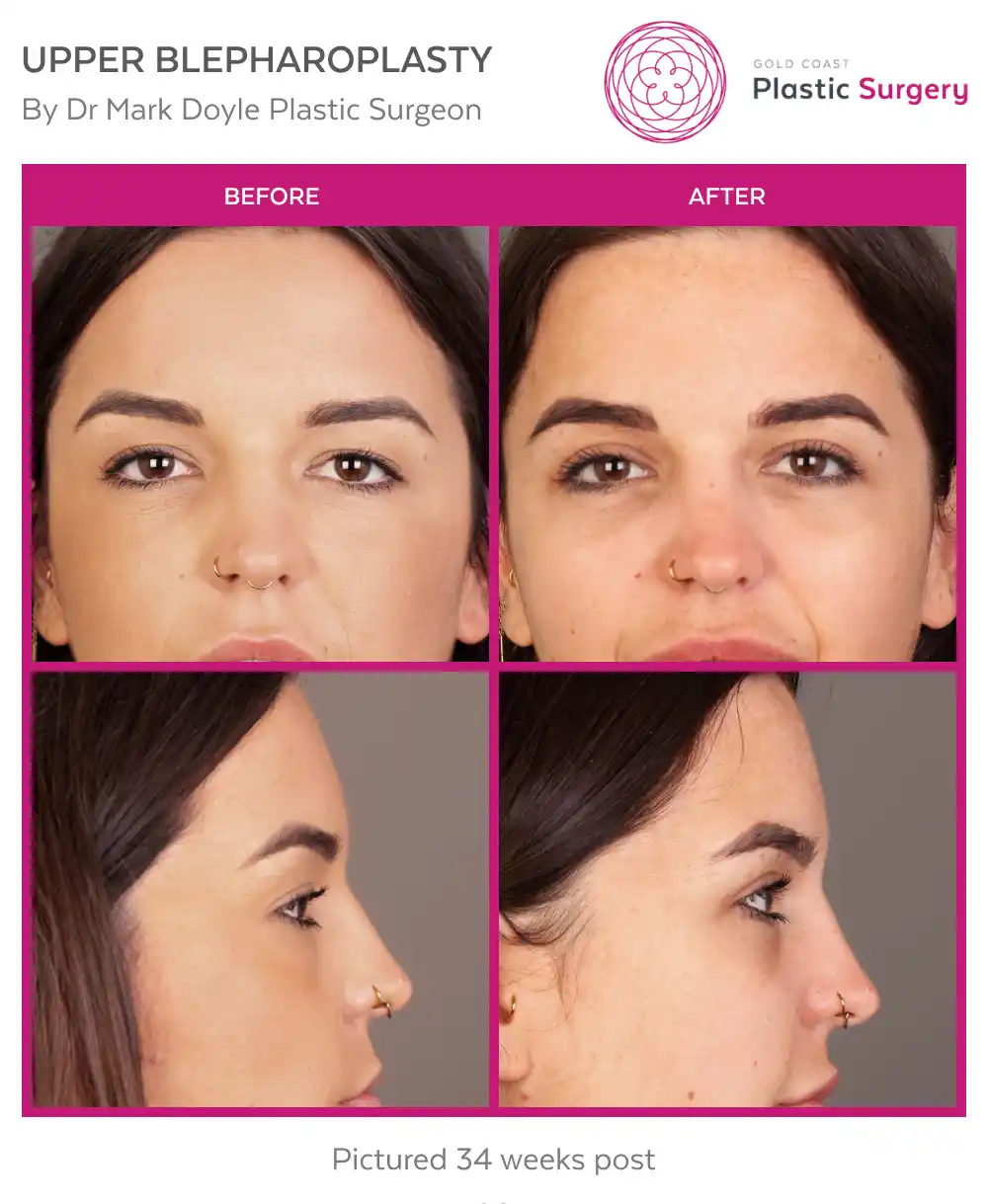
Upper blepharoplasty targets the upper eyelid and is sometimes performed to remove excess skin that extends over the natural eyelid crease or into the field of vision. Fat and muscle may also be repositioned or trimmed depending on the specific needs of the patient.
Lower Blepharoplasty
Lower blepharoplasty targets changes in the lower eyelid area such as skin laxity or fat prolapse that may occur over time. This may involve removing or repositioning fat and adjusting the overlying skin to support a balanced lower-eyelid shape.
Double Blepharoplasty
The term ‘double blepharoplasty’ is used to describe surgery on both the upper and lower eyelids performed in a single procedure. The term can also refer to a technique sometimes performed to create a defined upper eyelid crease in individuals whose natural anatomy does not include one.
Who is a Candidate for Blepharoplasty?
Individuals may consider blepharoplasty for a range of reasons, including:
- Excess skin or tissue in the upper eyelid that may extend over the natural crease or affect comfort
- Fullness or prominence in the lower eyelid area related to changes in fat position or skin elasticity
- Excess skin around the eyes that affects vision or comfort
Suitable candidates are generally in good overall health, do not smoke, and have realistic expectations about surgical outcomes. A consultation can help determine if the procedure is appropriate based on your goals and medical history.
The Blepharoplasty Procedure
Blepharoplasty is typically performed under local or general anaesthesia, depending on the extent of the surgery. Incisions are usually made within the natural creases of the eyelid to help conceal scarring. Through these incisions, excess skin and fat are removed or repositioned, and the tissues are reshaped to suit the individual’s anatomy.
Disclaimer: All information on this website is general in nature and is not intended to be medical advice, nor does it constitute a doctor-patient relationship. Results can vary significantly and depend on individual patient circumstances. Please be aware that the outcomes shown are specific to those patients and may not necessarily reflect the results others may experience. Individual results can vary due to many factors, including genetics, diet, and exercise. All images on this website, unless specified as real patient images, are graphics used for illustrative purposes only. Surgery risks and complications will be covered in detail during a consultation with your surgeon. Book a consult for details regarding your cosmetic surgery procedure.
Recovery from Blepharoplasty
Recovery from blepharoplasty varies, but most people experience swelling, bruising, and mild discomfort for the first one to two weeks. Cold compresses, elevation, and prescribed eye ointments can assist with healing and comfort. Strenuous activity should be avoided during the early recovery phase.
Most patients return to normal activities within 10 to 14 days, though minor swelling may persist for several weeks. A full understanding of recovery expectations is discussed during consultation.
Blepharoplasty Gold Coast
Gold Coast Plastic Surgery offers blepharoplasty services to patients throughout the Gold Coast region. Dr Mark Doyle provides individualised assessments and surgical care, supporting patients from consultation through to recovery.
Potential Risks and Complications
As with any surgical procedure, blepharoplasty carries risks. Potential complications include:
- Temporary blurred vision or dry eyes
- Infection or bleeding
- Scarring
- Asymmetry or changes in eyelid position
- The need for revision surgery
Why Choose Dr Mark Doyle for Your Blepharoplasty?
Dr Mark Doyle is a Specialist Plastic Surgeon (FRACS) with more than 30 years of experience. He follows a patient-centred treatment planning process that emphasises safety and evidence-based care. Dr Doyle combines detailed knowledge of facial anatomy with surgical techniques appropriate to each patient’s clinical needs.
Schedule Your Consultation
If you’re considering blepharoplasty on the Gold Coast and want to explore your options, contact Gold Coast Plastic Surgery to schedule a consultation with Dr Mark Doyle. In line with AHPRA and Medical Board of Australia regulations, a GP referral is required before any cosmetic surgery consultation. This process ensures that patients receive safe, informed, and appropriate medical care.
About Dr Mark Doyle FRACS (Plas) – Queensland Plastic Surgeon
Servicing patients in Gold Coast, Brisbane, Sunshine Coast, Cairns and New South Wales NSW – Northern Rivers, Byron Bay, Ballina, Lismore and more.
Dr Mark Doyle is a fully qualified Specialist Plastic Surgeon with over 30 years of experience performing breast, body, face and nose surgery. He has completed all required training and only carries out approved surgical practices. There are NO undertrained doctors or cosmetic doctors acting as surgeons at Gold Coast Plastic Surgery.