Breast Augmentation Surgery is used to change the size and shape of breasts. However, there are many factors to consider when making this important surgery decision. From implant type and surgical techniques to your expectations – which may be c-cup breasts (boobs). Dr Doyle will explore all these options with you during your initial consultation.
C Cup breasts are a common expectation for many patients as they may believe this is the central size. A C cup breast will look different on every individual, so it’s important to consider different sizes. Dr Doyle uses 3D imaging during your consultation so you can see how a c cup breast implant or any implant size will look on your body. This helps you visualise the outcome before ever having surgery.
In terms of bra sizes, a C cup size refers to a cup size that is proportional to the band size of a bra. For example, a 34C bra would have a band size of 34 inches and a cup size that can accommodate a breast that protrudes about 3 inches more than that. The letter “C” refers to the actual size of the cup itself, which is the difference between the measurement around the fullest part of the bust and the band size.
Breast size is determined by a combination of factors, including genetics, body weight, hormonal changes, age, pregnancy, and breastfeeding.
Some women may seek to have breast surgery for c cup breasts (boobs) or a larger cup size for personal reasons. Some women may consider breast augmentation to increase breast volume lost due to pregnancy, weight loss, or aging. Ultimately, it’s a personal decision that should be made after careful consideration and consultation with a qualified specialist plastic surgeon.
There are a variety of different types of breast implants, each having its pros and cons. Below we will review each type of implant. For every implant type, there are breast augmentation options to consider, like shape, texture and size. Dr Doyle only uses Motiva Implants which are made from silicone.
| Implant Type | Implant Materials | Cost | Technique | Comfort | Look | Risk of Rupture |
|---|---|---|---|---|---|---|
| Saline | Filled with sterile saltwater. | Less expensive compared to silicone or gummy bear implants. | A small incision under the breast and inserted into the breast pocket empty and then filled with saline solution to the preferred size. | A less realistic feel compared to silicone implants. | More likely to show ripples through the skin. | Saline implants have a higher risk of rupture or deflation when compared to silicone implants. However, if they leak, the saline is generally harmlessly absorbed by the body. |
| Silicone | Filled with a silicone gel that imitates the feel of breast tissue. | More expensive than saline implants. | An incision is made under the breast and inserted into the breast pocket. | A more realistic feel than saline implants. | Less prone to rippling when compared saline implants. | Low risk of rupture. However, if they leak, the silicone gel can migrate to other parts of the body, which can cause complications. |
| Gummy Bear | A thicker, more cohesive silicone gel. | Higher price point. | Requires a longer incision under the breast than other types of implants. | A more realistic feel than saline implants. | Less prone to rippling than saline implants. | Low risk of rupture. However, they do not lead and maintain their shape even if the implant ruptures. |
Choosing the right breast implant size for your body is an important part of the surgical process, and it requires close collaboration between the patient and the surgeon. There are several techniques that surgeons use to help patients choose the most suitable implant size. Using sizers and 3D imaging can help you get an idea of what c cup breasts may look like.
Sizers: Sizers are silicone implants that are placed in a bra to give patients an idea of what their breasts may look like after surgery. Sizers come in different sizes and can be used during a consultation to help patients visualise different implant sizes and decide which size they prefer to achieve c-size breasts (boobs).
3D imaging: Dr Doyle uses 3D imaging technology to create a three-dimensional image of the patient’s breasts. This technology can be used to simulate different implant sizes and help patients visualise what their breasts may look like after surgery.
When it comes to implant size, it’s important to consider your body type and surgery goals. The size of your body can determine which implants will look proportional to your body, a size c breast will look different for everyone. Everyone’s surgery goals are different, some women may want a more subtle change in breast size, while others may want a more noticeable change.
If you are interested in c cup implants remember that the decision on implant size should be carefully considered. Dr Doyle has completed over 3,000 breast surgeries and can help guide patients through the process and provide expert advice on choosing the right implant size based on the patient’s body type, surgery goals, and preferences.
Measuring cup size correctly is an important part of ensuring you know your current cup size and can also help you make educated decisions on implant size. For a C cup breast size, the cup size is determined by the amount of difference between two measurements, with each letter corresponding to a different size range. Here’s what you need to know to measure your breast cup size correctly.
To get started, measure the circumference of your ribcage directly beneath your bust. This measurement is the band size of your bra.
Next, measure around the fullest part of your bust. The most accurate way to do this is with a flexible tape measure from the front and back sides in order to capture the full circumference of your bust. The difference between your band size and bust measurements will indicate what cup size you are. A C-cup breast (bust) size is about 3 inches in the difference of the measurements.
Here are the general measurements for each cup size:
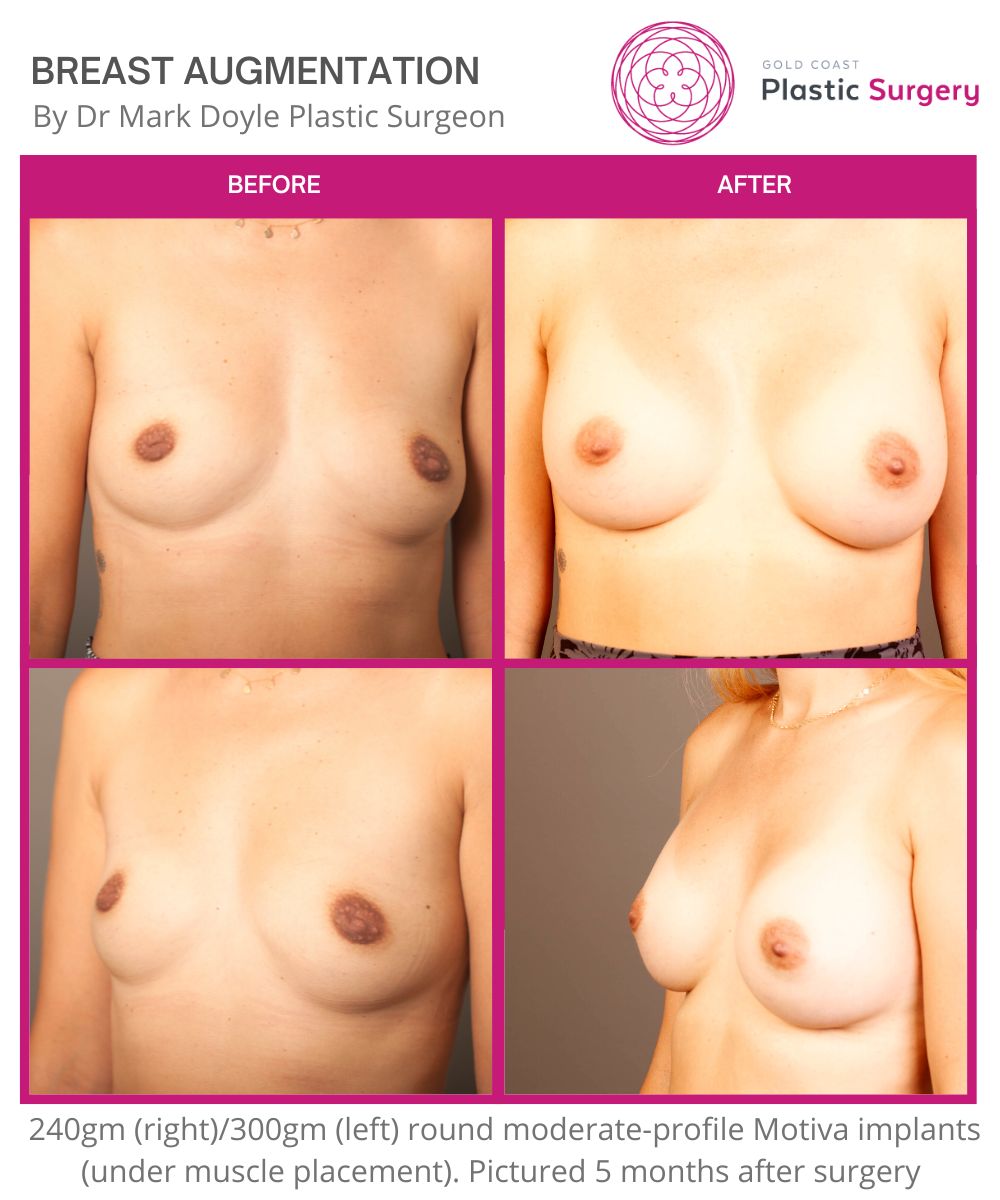
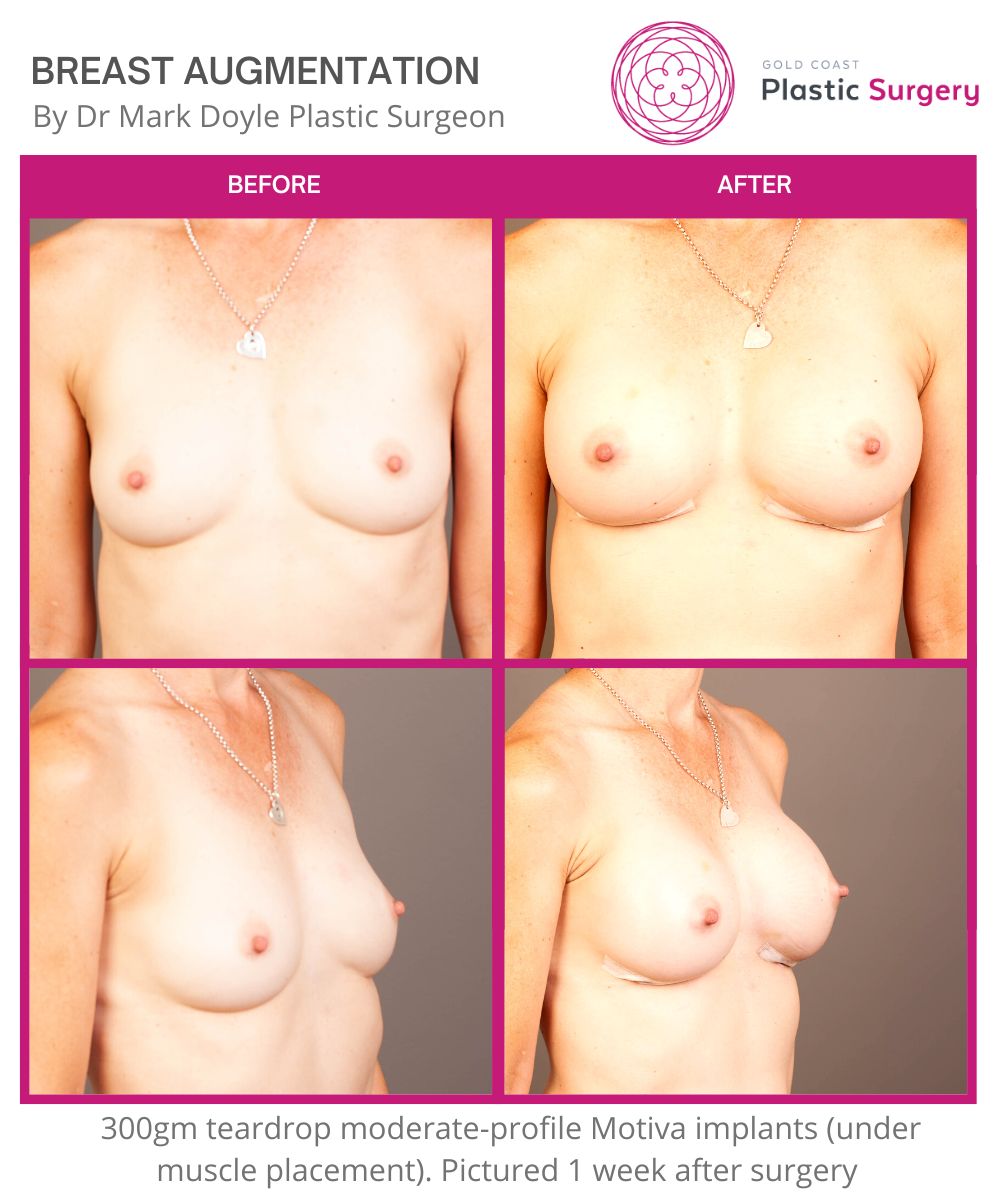
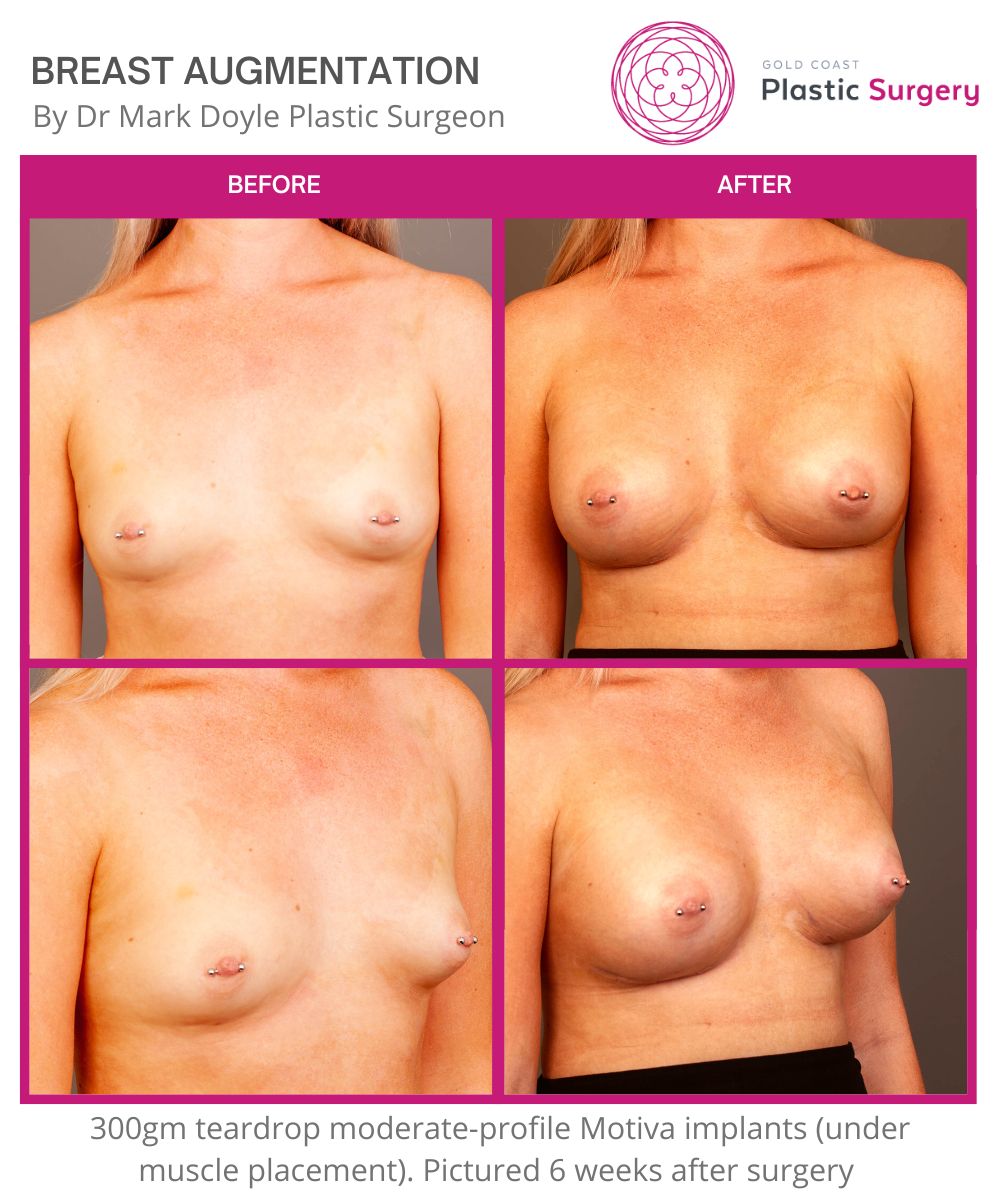
Many ask what does a C-cup breast augmentation looks like. Below are photos of real Gold Coast Plastic surgery patients who have undergone breast augmentation with c-cup size breasts (boobs).
Disclaimer: All information on this website is general in nature and is not intended to be medical advice, nor does it constitute a doctor-patient relationship. Results can vary significantly and depend on individual patient circumstances. Please be aware that the outcomes shown are specific to those patients and may not necessarily reflect the results others may experience. Individual results can vary due to many factors, including genetics, diet, and exercise. All images on this website, unless specified as real patient images, are graphics used for illustrative purposes only. Surgery risks and complications will be covered in detail during a consultation with your surgeon. Book a consult for details regarding your cosmetic surgery procedure.
Breast surgery is a cosmetic procedure that can be performed by a surgeon to achieve a full C-cup breast size. However, as with any surgical procedure, there are potential risks and complications involved.
Capsular contracture is a risk that can arise when the body reacts to a breast implant often leading to distorting the shape of the breast and causing pain. You can lower your risk by not lifting heavy, and avoiding sleeping on your front immediately after surgery. Dr Doyle takes precautions during the surgery to reduce the risk as well.
Patients should make sure to fully understand all pre-operative instructions as well as post-operative care instructions before undergoing the procedure. Following your surgeon’s instructions minimises risks.
When it comes to surgery, safety should always be your highest priority, that’s why choosing the right surgeon is crucial. You need to ensure that your surgeon is qualified and highly experienced. You should feel comfortable that they understand your surgery goals.
Dr Mark Doyle is an experienced Australian Specialist Plastic Surgeon. He has over 30 years of experience in surgical skills and a caring bedside manner.
Pre-operative and post-operative care instructions are critical for a successful surgery journey and optimal recovery. It is important that patients carefully follow these instructions to minimise the risk of complications.
Some of the pre-operative instructions that a surgeon may provide for breast augmentation may include avoiding certain medications or supplements that could increase the risk of bleeding, such as aspirin, ibuprofen, or vitamin E. Patients will also be advised to stop smoking and limit alcohol consumption in the weeks leading up to and following the surgery.
Post-operative care instructions for breast surgery may include wound care, such as keeping the incision site clean and dry and changing dressings as directed. Patients may also be prescribed pain medication and antibiotics to prevent infection. It is important to follow medication regimens as directed by the surgeon and to attend all follow-up appointments to ensure proper healing and to address any concerns or questions.
Breast augmentation recovery is an important consideration to help you make an informed decision about surgery. In general, it takes about 6 weeks with 1 – 2 weeks off work and daily activities.
Implants are available in different shapes (round or teardrop). Round implants have a fuller projection, while teardrop implants have a more biological shape and projection.
It’s important to also take into consideration the breast implant profile. A low-profile implant gives you the least projection and is most commonly used to achieve a minimal increase in breast size.
A moderate profile implant gives moderate projection and is the most commonly used to achieve a moderate increase, with some cleavage. A high profile gives the highest amount of projection and is commonly used to achieve a more projected look and increase.
Breastfeeding with implants is possible but implants can impact breastfeeding in some situations. Depending on the size and placement of the implants most women’s milk production is not affected by breast implants. In some cases, some women may experience less milk production. In general, a study from the Annals of Plastic Surgery found that women with breast implants have a 75% chance of breastfeeding.
Now that you have reviewed the different options available for C cup breasts, are you ready to schedule an appointment? Dr Doyle will explore the options available specifically tailored just for you.
Dr Mark Doyle is a fully qualified Specialist Plastic Surgeon with over 30 years of experience performing breast, body, face and nose surgery. He has completed all required training and only carries out approved surgical practices. There are NO undertrained doctors or cosmetic doctors acting as surgeons at Gold Coast Plastic Surgery.